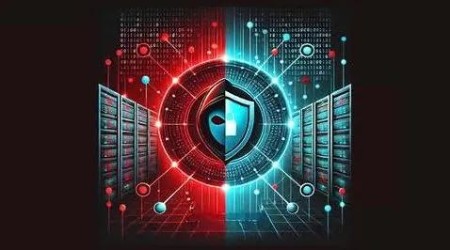
Hacker vs Defender: Linux Servers
Published 12/2024
MP4 | Video: h264, 1920x1080 | Audio: AAC, 44.1 KHz
Language: English | Size: 276.64 MB | Duration: 0h 37m
Discover how hackers exploit Linux servers and learn to defend against attacks.
What you'll learn
How Hackers Exploit Weaknesses: Learn how attackers use tools and techniques like FTP exploitation, SSH hacking, and directory traversal to find and more
Understanding Common Cyber Threats: Gain a clear understanding of what web shells, data exposure, and directory traversal attacks are
Hands-On Challenges: Practice identifying vulnerabilities and simulating basic attacks in a safe and beginner-friendly way.
Foundations of Cybersecurity Defense: Start building your skills to defend against these attacks, with simple techniques to secure systems and reduce risks.
Requirements
Basic Linux experience
Curiosity and Willingness to Learn
Description
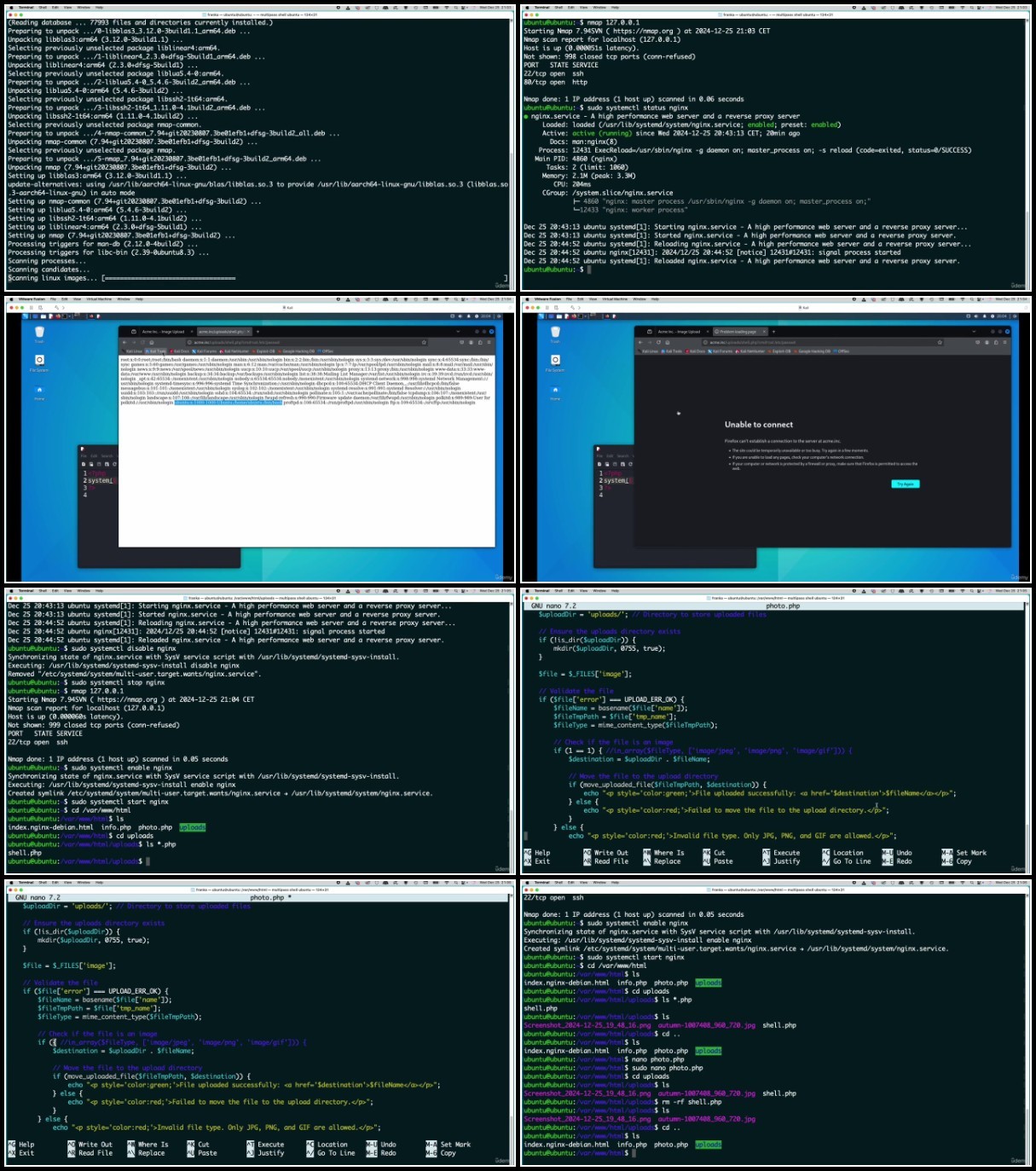
Ever wondered how hackers exploit vulnerabilities in systems—and how you can stop them?This beginner-friendly course is your perfect starting point to understand the basics of ethical hacking and cybersecurity. You'll dive into real-world techniques used by attackers to exploit weaknesses in systems, such as insecure file transfers (FTP), remote access protocols (SSH), and hidden or exposed files on servers. We'll explain everything in simple terms, so even if you've never touched a command line or heard of these protocols, you'll feel confident and ready to learn.Through step-by-step explanations and hands-on challenges, you'll not only learn how these attacks happen but also start exploring how to defend against them. This course focuses on building a solid foundation, giving you the knowledge and skills to recognize threats and protect systems effectively.What will you learn?What FTP, SSH, web shells, and directory traversal are—and why they matter in cybersecurity.How hackers think and the tools they use to exploit common vulnerabilities.How data exposure happens and how attackers use tools like Gobuster to find sensitive files.How directory traversal attacks allow access to restricted areas and how to spot them.What makes this course different?We keep it simple, practical, and beginner-friendly. There's no technical jargon or overwhelming complexity. You'll practice using real-world examples and exercises designed to make learning interactive and fun. By the end of this course, you'll have a clear understanding of basic cyberattacks and a strong foundation to continue your journey into cybersecurity.
Beginners in Cybersecurity,Curious Learners,IT Enthusiasts,Anyone with an interest in a career in cybersecurity
RapidGator
AlfaFile
TurboBit
We need your support!
Make a donation to help us stay online

Bitcoin (BTC)
bc1q08g9d22cxkawsjlf8etuek2pc9n2a3hs4cdrld

Bitcoin Cash (BCH)
qqvwexzhvgauxq2apgc4j0ewvcak6hh6lsnzmvtkem

Ethereum (ETH)
0xb55513D2c91A6e3c497621644ec99e206CDaf239

Litecoin (LTC)
ltc1qt6g2trfv9tjs4qj68sqc4uf0ukvc9jpnsyt59u

USDT (ERC20)
0xb55513D2c91A6e3c497621644ec99e206CDaf239

USDT (TRC20)
TYdPNrz7v1P9riWBWZ317oBgJueheGjATm